.png)
What Is Panchakarma In Ayurveda And Its Five Ancient Therapies

So, what exactly is Panchakarma? At its heart, Panchakarma is the ultimate detoxification and rejuvenation experience in Ayurveda. It's a profound, comprehensive process designed to flush out deep-seated toxins, bring your body back into balance, and kickstart its own powerful healing mechanisms.
Understanding Panchakarma: An Ayurvedic Deep Cleanse
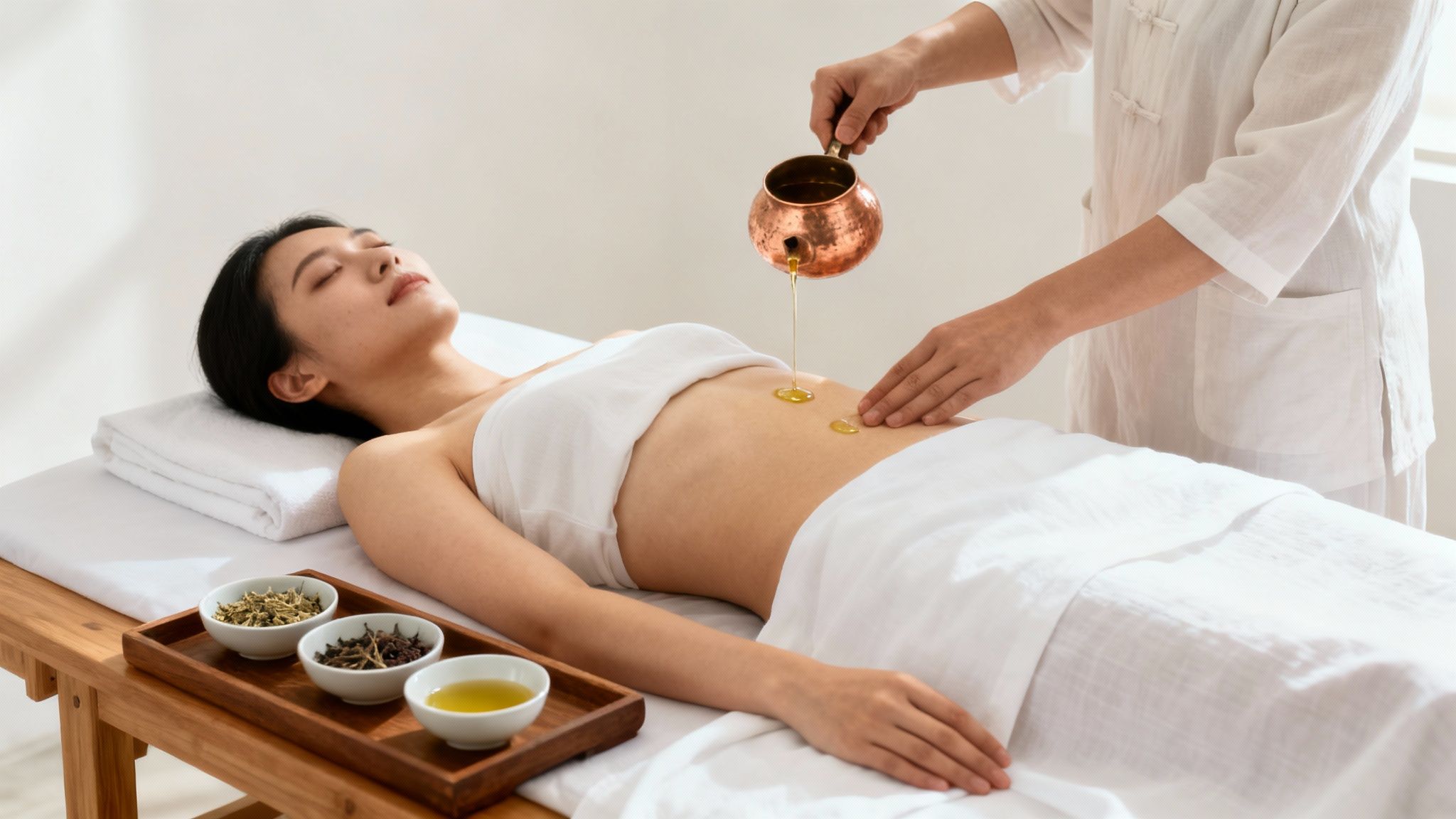
Imagine your body is a finely tuned engine. Daily care keeps it running, but over time, a stubborn sludge builds up in the hard-to-reach places, slowing it down. Panchakarma is the master mechanic’s service that gets in there and meticulously clears out that sludge—what Ayurveda calls ama (toxins)—to get you back to running at your absolute best.
This isn't just one treatment. It's a sophisticated system built around five core therapies—which is what "Panchakarma" means: Pancha (five) and Karma (actions). The whole point is to purify your body right down to the cellular level and rebalance your unique mind-body constitution, or doshas.
More Than Just a Spa Detox
It’s easy to confuse Panchakarma with a simple spa getaway, but it’s a world apart. This is a precise, medically supervised process overseen by a trained Ayurvedic physician. The entire journey unfolds in three carefully orchestrated stages.
To give you a clearer picture, here’s a quick overview of how the process is structured:
The Three Stages of Panchakarma at a Glance
Stage | Sanskrit Name | Primary Purpose |
|---|---|---|
Preparation | Purvakarma | To gently loosen and mobilise deep-seated toxins using oil massages and steam therapy. |
Main Therapies | Pradhan Karma | The active cleansing phase, where one or more of the five core therapies are used to expel the toxins. |
Post-Treatment | Paschatkarma | A crucial rejuvenation period focused on rebuilding strength, restoring digestion, and solidifying the benefits. |
Each stage flows into the next, ensuring the body is properly prepared for cleansing and fully supported during recovery.
Panchakarma goes beyond just treating symptoms. It gets to the root of the problem by eliminating ama from the deepest tissues, which in turn allows the body’s own incredible intelligence to take over and heal itself.
Its classical methods are far from being a relic of the past; they remain a vital part of wellness in India. In fact, a recent Government of India survey revealed that Ayurveda is the most popular traditional system, with 45.5% of people in urban India reporting its use.
While Panchakarma offers a deep, traditional cleanse, the core idea of detoxification resonates with many modern wellness practices, such as kickstarting a sugar detox to reset the system.
The Three Foundational Stages of The Panchakarma Journey
Panchakarma isn't just a single treatment or a random assortment of therapies. It's a deeply systematic process that unfolds in three distinct, carefully orchestrated stages. Think of it less like a quick spa visit and more like a guided expedition for your body, with a clear beginning, middle, and end.
This methodical approach is what makes it so powerful. Each step has a specific job, working together to prepare the body for a deep cleanse, carry out the detoxification, and then gently bring it back to a state of strength and balance.
Purvakarma: The Preparation Phase
Every meaningful journey starts with preparation, and in Panchakarma, this is called Purvakarma. The whole point of this initial phase is to gently coax deep-seated toxins, known in Ayurveda as ama, from the tissues where they're lodged and guide them toward the digestive tract for easy removal.
Skipping this step would be like trying to pull weeds out of dry, compacted earth—you’d just be straining yourself. Purvakarma moistens and warms the body, making the main detoxification process both effective and safe.
The two main pillars of this stage are:
Snehana (Oleation): This is all about saturation with medicated oils. It happens both internally, by drinking prescribed amounts of ghee or oil, and externally through specialised massage. The oil seeps deep into the tissues, lubricating the body's channels and softening the stubborn, dried-up toxins.
Swedana (Sudation): Right after oleation comes sweating. This isn't your typical gym sauna; it's a therapeutic process using herbal steam to open up all the channels (srotas) of the body. The warmth helps the now-loosened ama to flow freely from the periphery of the body into the gastrointestinal tract.
A great way to picture it is trying to get a stubborn, rusted bolt loose. You wouldn't just force it. You'd apply some penetrating oil and a bit of heat first. Snehana and Swedana do exactly that for the toxins in your body.
Pradhan Karma: The Main Cleansing Phase
With the body fully prepped, we move to the heart of the matter: Pradhan Karma. This is the active detoxification stage where the mobilised toxins are finally expelled from the body.
Here, a trained Ayurvedic physician will administer one or more of the five core therapies—the actual "Pancha Karmas"—based on your individual constitution (Prakriti), current imbalances, and specific health needs.
This is where the real "house cleaning" happens. The specific therapies chosen are designed to target the excess doshas and eliminate the ama that was so carefully mobilised during the preparation phase.
Paschatkarma: Post-Treatment Rejuvenation
The work isn't over once the toxins are out. The final act, Paschatkarma, is just as crucial. After such a profound cleanse, the body’s digestive fire, or Agni, is like a delicate ember. It needs to be carefully nurtured back into a strong flame.
This stage is all about rebuilding, restoring, and rejuvenating. It involves a very specific diet plan that slowly reintroduces foods, lifestyle adjustments, and herbal formulas (Rasayanas) to build back your strength.
Paschatkarma locks in the benefits of the cleanse, nourishes the tissues, and gives you the tools to maintain that newfound balance long after the treatment is over. It’s what turns a temporary detox into a lasting renewal.
Exploring The Five Core Therapies of Panchakarma
After the initial preparation phase has gently loosened toxins, we move into the heart of the Panchakarma process: Pradhan Karma. This is the main event, the active elimination stage where all those mobilised impurities are shown the door.
The name Panchakarma literally translates to “five actions,” and it’s these five powerful, highly specific therapies that define the process. Think of them as a set of master keys, each designed to unlock and cleanse a particular part of the body.
It’s a common misconception that everyone gets all five treatments. That’s rarely the case. An experienced Ayurvedic physician will carefully assess your unique body constitution (dosha), the specific nature of your health imbalances, and your overall vitality before creating a personalised roadmap. You might only need one or two of these therapies to get to the root of your issues.
Vamana Karma: Therapeutic Emesis
Vamana is a controlled and supervised process of emesis (vomiting) designed to expel excess Kapha dosha. When Kapha—the energy of structure and lubrication—builds up, it often manifests as mucus, congestion, and a feeling of heaviness in the chest and sinuses. This can lead to everything from seasonal allergies to asthma.
By carefully inducing emesis, Vamana purges this sticky, stagnant Kapha, leaving you with a wonderful feeling of lightness in the chest and clarity in your mind and senses. It’s particularly effective for clearing out the respiratory system and making space for fresh energy.
Virechana Karma: Therapeutic Purgation
Next up is Virechana, a therapeutic purgation that zeroes in on excess Pitta dosha. Pitta is the energy of fire, metabolism, and transformation. When it gets out of whack, it can show up as inflammation, skin problems like acne or rashes, and digestive issues like acid reflux.
Virechana uses specific herbs to trigger a flushing of the liver, gallbladder, and small intestine—the primary sites of Pitta. This process safely clears heat-related toxins through the bowels, effectively purifying the blood and cooling the entire system down.
Basti Karma: Medicated Enema
Often hailed as the “king of all therapies” in Ayurveda, Basti is so much more than a standard enema. This sophisticated treatment involves introducing carefully prepared herbal oils and decoctions into the colon, which is considered the main seat of Vata dosha.
Because Vata governs all movement in the body and the nervous system, balancing it has a ripple effect on your entire well-being. Basti directly soothes the dry, erratic qualities of excess Vata, deeply nourishing the nervous system and providing profound relief for a huge range of issues, from chronic pain and constipation to anxiety and insomnia.
The entire Panchakarma journey is a systematic, three-part flow, as you can see below. It’s not just about the detox; the preparation and post-treatment rejuvenation are just as crucial.

This visual helps to show that Panchakarma isn’t a quick fix, but a structured process where each step builds upon the last for a safe and lasting result.
Basti's significance comes from its ability to directly influence Vata dosha, which is often the instigator of most diseases. By balancing Vata at its root, this therapy can bring harmony to the entire system.
Nasya Karma: Nasal Administration
In Ayurveda, the nose is seen as the direct gateway to the mind and consciousness. Nasya therapy makes use of this special pathway by administering medicated oils or herbal preparations into the nasal passages.
The main goal is to cleanse, purify, and lubricate the entire head and neck region. It works wonders for clearing out sinus congestion, easing headaches and migraines, and even improving mental clarity. By calming the nervous system directly, Nasya can also be a powerful tool for promoting emotional stability.
Raktamokshana Karma: Blood Purification
The fifth and final therapy, Raktamokshana, is a highly specialised procedure aimed at purifying the blood. It’s used less frequently than the other four and is reserved for very specific conditions where toxins have entered the bloodstream, leading to issues like stubborn skin disorders or chronic infections.
To help you see how these five therapies fit together, here’s a quick summary of their primary functions.
The Five Karmas and Their Primary Actions
Therapy (Karma) | Description | Primary Dosha Balanced | Target Area |
|---|---|---|---|
Vamana | Therapeutic emesis | Kapha | Stomach & Lungs |
Virechana | Therapeutic purgation | Pitta | Liver, Gallbladder & Small Intestine |
Basti | Medicated enema | Vata | Colon & Nervous System |
Nasya | Nasal administration | Varies (often Kapha/Vata) | Head, Sinuses & Mind |
Raktamokshana | Blood purification | Pitta & Rakta Dhatu (Blood) | Bloodstream |
Each of these actions is a precise tool for resetting a specific aspect of your body’s internal environment.
Because these therapies are so deep-acting and methodical, a genuine Panchakarma experience isn't something you can rush. To learn more about how these are implemented in authentic settings, you can explore traditional practices described on platforms like pib.gov.in. Authentic programmes often require an extended stay, typically a minimum of two weeks and sometimes up to four weeks, ensuring your body has the time it needs to move through each phase completely and safely.
Tangible Health Benefits for Modern Ailments
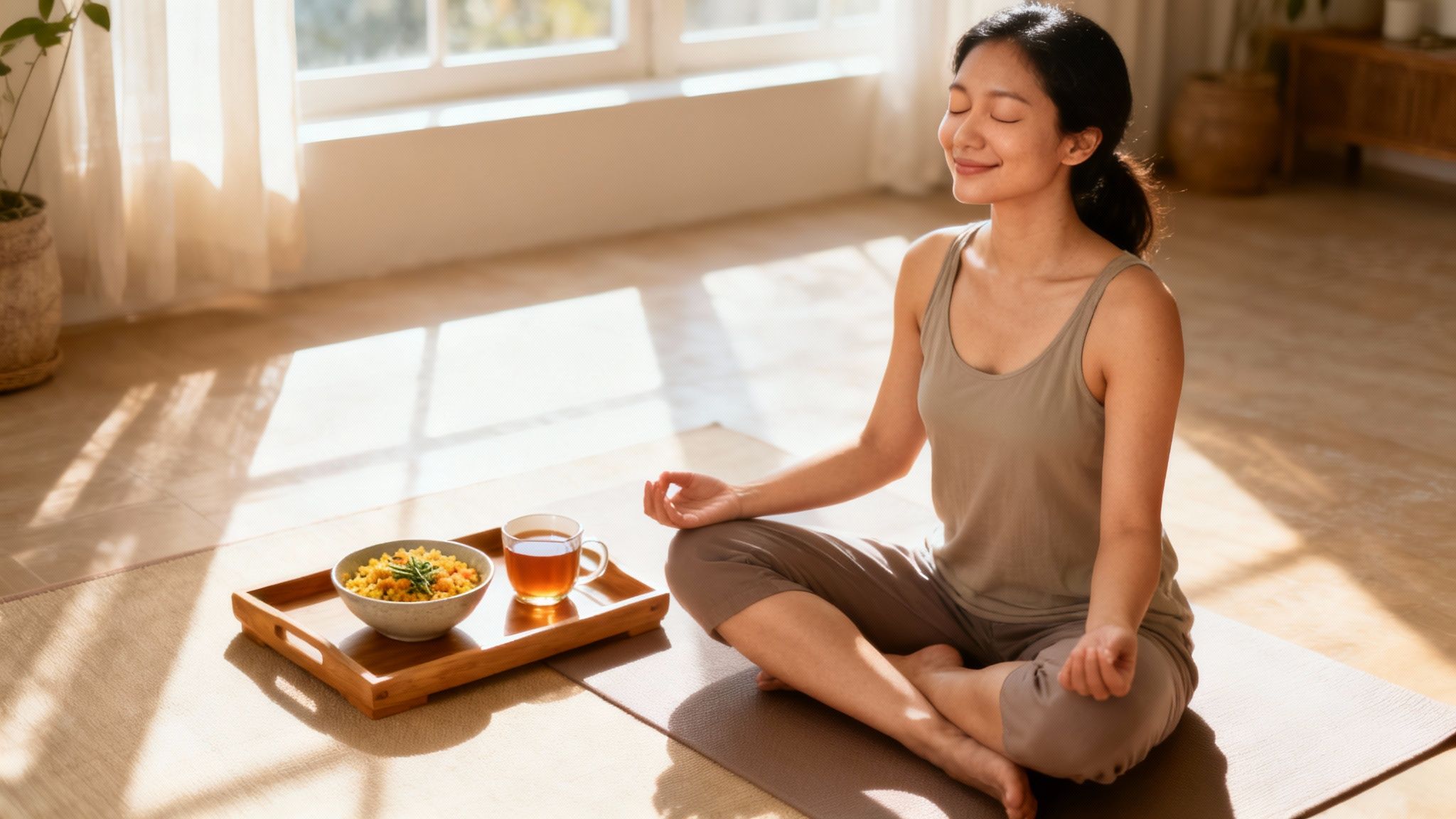
So, why would anyone commit to such a detailed and often intensive process? The answer is simple: the rewards are profound and tackle many of the health issues we face in our modern lives. Panchakarma isn’t just about feeling a bit "cleaner"—it’s a deep reset that brings about real, lasting improvements to both body and mind.
The first place people usually notice a difference is in their digestion. By clearing out accumulated waste and reigniting the digestive fire, known as Agni, it's common to experience a dramatic drop in bloating, indigestion, and constipation. This newfound gut health is really the bedrock for positive change throughout the entire body.
A System-Wide Upgrade for Body and Mind
From the gut, the effects of Panchakarma begin to ripple outwards, touching almost every part of your well-being. When you systematically remove deep-seated toxins, you’re essentially clearing the body's channels, which allows for better nutrient absorption and helps your cells communicate more effectively.
This thorough purification process translates into several key benefits:
Enhanced Immune Function: When you lessen the toxic load, your body’s natural defence systems can finally work at their best. If you're looking to keep that momentum going, you might find our guide on the best Ayurvedic medicine for immunity a helpful next step. You can find it here: https://www.jjherbals.com/post/best-ayurvedic-medicine-for-immunity-natural-boosters-and-top-herbs
Relief from Chronic Aches: Many people find significant relief from nagging joint and muscle pain as systemic inflammation throughout the body is brought down.
Easier Weight Management: By resetting your metabolism and getting your digestion back on track, the body often finds it much easier to maintain a healthy weight without a constant struggle.
Clearer, Healthier Skin: When your blood is purified and internal organs are cleansed, the results often show up right on your skin, leading to a much clearer and more vibrant complexion.
Panchakarma operates on a simple yet powerful principle: remove the obstacles, and the body will heal itself. It gets to the root cause of imbalance—the accumulation of ama—rather than just putting a plaster on the symptoms.
Finding Calm and Clarity in a Hectic World
But the benefits aren't purely physical. A huge number of people seek out Panchakarma for its incredible effect on stress and anxiety, placing it among other effective alternative therapies for anxiety. The entire process has a deeply calming effect on the nervous system, leading to a noticeable reduction in that constant mental chatter and emotional turbulence.
This mental and emotional cleanse often leads to:
Heightened Mental Clarity: That feeling of brain fog lifts, replaced by sharper focus and a real improvement in cognitive function.
Deeper, More Restful Sleep: By soothing the nervous system, Panchakarma can help get your sleep patterns back in sync, resulting in truly restorative rest.
Increased Resilience to Stress: With your whole system in a state of balance, you're just better equipped to handle daily pressures without feeling overwhelmed.
The effectiveness of this integrated approach isn't just anecdotal; it's being seen in clinical research too. One study, for instance, combined Panchakarma with lifestyle counselling and saw patients achieve significant reductions in blood pressure and a lower dependency on medication. This research highlights how, by restoring the body's natural state of balance, Panchakarma truly offers a pathway to lasting wellness.
Who Should and Should Not Consider Panchakarma
While Panchakarma is an incredibly powerful tool for deep healing, it's a serious medical process—not a one-size-fits-all spa treatment. It's crucial to understand who it's designed for and, just as importantly, who should steer clear to ensure the experience is both safe and effective. Think of it less as a quick fix and more as a personalised, intensive cleanse aimed at specific health goals.
So, who is the ideal candidate? Often, it's someone dealing with stubborn, long-standing health issues. If you have a chronic condition that isn’t currently in an acute flare-up, or if you just feel persistently sluggish, foggy, and weighed down by a fatigue that never seems to lift, this deep reset could be exactly what your body is crying out for. It's also a fantastic practice for long-term health maintenance, often recommended at the change of seasons to clear out imbalances before they have a chance to become bigger problems.
Identifying Ideal Candidates
Panchakarma works best for individuals who are generally stable and have enough strength to handle the detoxification process. You might be a great fit if you're experiencing things like:
Chronic Digestive Issues: Think persistent bloating, constipation, or a weak digestive fire (Agni) that just won't cooperate.
Nagging Aches and Pains: Unexplained muscle stiffness or joint discomfort that isn't from a recent injury.
Mental and Emotional Fog: A feeling of mental fatigue, low energy, or an emotional imbalance that you just can't seem to shake.
Preventive Wellness: You're someone who wants to proactively maintain good health and prevent future illness through seasonal purification.
Critical Contraindications: Who Must Avoid It
Knowing when not to do Panchakarma is every bit as important. Because the therapies mobilise toxins and place a temporary, controlled stress on the body, certain conditions make it unsafe. Honesty about your health history is absolutely essential.
Panchakarma should be avoided during:
Pregnancy and Menstruation: The process is simply too intense during these delicate physiological times.
Acute Illness: If you have a fever, the flu, an active infection, or any acute condition, your body needs to focus all its energy on fighting it off, not on a deep cleanse.
Extreme Weakness or Frailty: Individuals who are very elderly, emaciated, or severely debilitated may not have the physical reserves needed for the therapies.
Certain Serious Medical Conditions: Advanced stages of major diseases, recent surgeries, or specific heart conditions are also typically contraindications.
The decision to undergo Panchakarma is never one to be made lightly or on your own. It requires professional guidance to ensure the treatment aligns with your body's current state and capacity for healing.
This is precisely why a detailed consultation with a qualified Ayurvedic physician, or Vaidya, is non-negotiable. They are trained to assess your unique constitution (Prakriti) and your current imbalances (Vikriti). This assessment is the only reliable way to know if Panchakarma is right for you, which of the five therapies are needed, and how to tailor them to your specific situation.
If you can't visit a clinic in person, an Ayurvedic doctor's online consultation can be a great first step. Taking this step ensures your journey into this ancient practice is not only effective but, most importantly, safe.
Frequently Asked Questions About Panchakarma
Thinking about Panchakarma often brings up a few practical questions. It's a big commitment, after all. Here are straightforward answers to some of the things people wonder about most.
How Long Does a Full Panchakarma Treatment Take?
A true, traditional Panchakarma isn’t a quick spa weekend. To get the full benefit of all three stages—preparation, cleansing, and rejuvenation—you’re looking at a commitment of at least 21 to 28 days.
Of course, not everyone can step away from life for that long. Recognising this, many centres now offer shorter, focused programmes. These might be for 7, 10, or 14 days, targeting specific imbalances. A good Vaidya will always help you decide on a duration that works for both your health needs and your schedule.
Is Panchakarma an Uncomfortable Process?
This is a common concern! Panchakarma is a deep, powerful cleanse, and some moments can feel intense. But it's certainly not meant to be painful. In fact, the preparatory phases of oil massage (Snehana) and herbal steam (Swedana) are incredibly relaxing and nurturing.
The main detoxification procedures, like Virechana (purgation), can cause some temporary discomfort as your body releases toxins. But you're never alone. These therapies are always done under the watchful eye of an expert to make sure you're safe and as comfortable as possible. The whole point is to feel renewed, not distressed.
Can I Do Panchakarma at Home?
The short answer is no. A complete, authentic Panchakarma is a serious medical procedure and absolutely should not be attempted at home without professional guidance. It requires the constant supervision of a trained Ayurvedic physician and experienced therapists.
They are there to administer the therapies correctly, watch how your body is responding, and make adjustments on the fly. While you'll certainly continue the recommended diet and lifestyle at home afterwards, the core treatments must happen in a proper clinical setting. It’s a matter of safety and effectiveness. If you're just starting to explore this world, understanding concepts like stress treatment in Ayurveda can be a great first step.
At JJ Herbals, we believe in the power of authentic Ayurvedic wisdom to restore balance and vitality. Our natural, farm-to-bottle supplements are designed to support your wellness journey from the inside out. Explore our range of products today at https://www.jjherbals.com.
Comments