.png)
A Practical Guide to Egg Quality Improvement

Improving your egg quality really boils down to one thing: creating a healthier, more supportive environment inside your body for your eggs to mature. It's not about a magic pill, but a thoughtful combination of targeted nutrition, smart lifestyle changes, and actively reducing your exposure to things that cause cellular stress. The entire goal is to boost an egg's chromosomal health and its cellular energy—two factors absolutely critical for successful fertilisation and a healthy pregnancy.
What "Egg Quality" Really Means for Your Fertility

When you hear fertility specialists talk about 'egg quality', it's a bit of a tricky concept. It’s not something you can see with the naked eye. Instead, it’s a way of describing the overall health of an egg (or oocyte), particularly its potential to grow into a healthy embryo.
A "high-quality" egg is one that's chromosomally normal. This means it has exactly the right number of chromosomes—23—ready to pair up with the sperm. This genetic blueprint is the absolute bedrock of a viable pregnancy. If an egg has the wrong number of chromosomes (what we call an aneuploid egg), it's one of the most common reasons for failed implantation, early miscarriage, and certain genetic conditions.
But it’s not just about the genetics. Egg quality also comes down to the health of its internal machinery. An egg needs a huge burst of energy to start dividing and growing after it's fertilised. This energy is produced by tiny cellular powerhouses called mitochondria. Healthy, high-functioning mitochondria are the engines that provide the fuel for those critical first days of development.
The Two Pillars of a Healthy Egg
To really get to grips with how to improve egg quality, it helps to focus on what makes an egg "good." It all comes down to two things:
Chromosomal Normality (Euploidy): This is the big one. It simply means the egg has the correct set of 23 chromosomes. The risk of chromosomal errors, or aneuploidy, naturally goes up with age, which is why this is such a focus.
Mitochondrial Function: This is all about the egg's ability to produce energy for its journey after fertilisation. Without robust mitochondria, an embryo can stall out before it even has a chance to implant.
You can often get clues about your follicular development by looking at your medical reports. For more on this, check out our guide on how to interpret a normal follicular study report.
What Harms Egg Quality?
Several common factors can create a hostile environment for your maturing eggs. Understanding these is the first step to making a real difference.
Oxidative StressThink of this as "cellular rust." Oxidative stress happens when there’s an imbalance between damaging free radicals and the antioxidants that neutralise them. This process can directly harm an egg's delicate DNA and its mitochondria, dealing a direct blow to its quality.
"Your eggs take about 90 days to mature before one is selected for ovulation. This three-month window is your golden opportunity to influence their health through positive changes in diet, lifestyle, and stress management."
AgeThis is the factor everyone knows about. As we get older, the percentage of chromosomally abnormal eggs we produce naturally increases. While you can’t turn back the clock on your age, you can absolutely influence the biological environment where your eggs develop. This is the cornerstone of egg quality improvement.
Hormonal ImbalancesConditions like Polycystic Ovary Syndrome (PCOS) can throw the delicate hormonal orchestra needed for healthy egg development completely out of tune. Insulin resistance, which is often linked to PCOS, can also create an inflammatory environment that’s incredibly damaging to eggs.
Interestingly, while we're talking about eggs, their role in our diet is also crucial for reproductive health. In India, egg production has almost doubled in the last decade, with per capita availability jumping from 62 to 106 eggs a year. This rise shows just how vital eggs are as a source of high-quality protein, an essential building block for overall wellness. You can read more about this on Factly.in.
Once you understand these core ideas, it becomes much clearer why the strategies we’re about to discuss—from specific foods to targeted supplements—can be so effective. You’re not just blindly following advice; you’re actively giving your body what it needs to nurture your future.
Building Your Foundation with Nutrition and Lifestyle
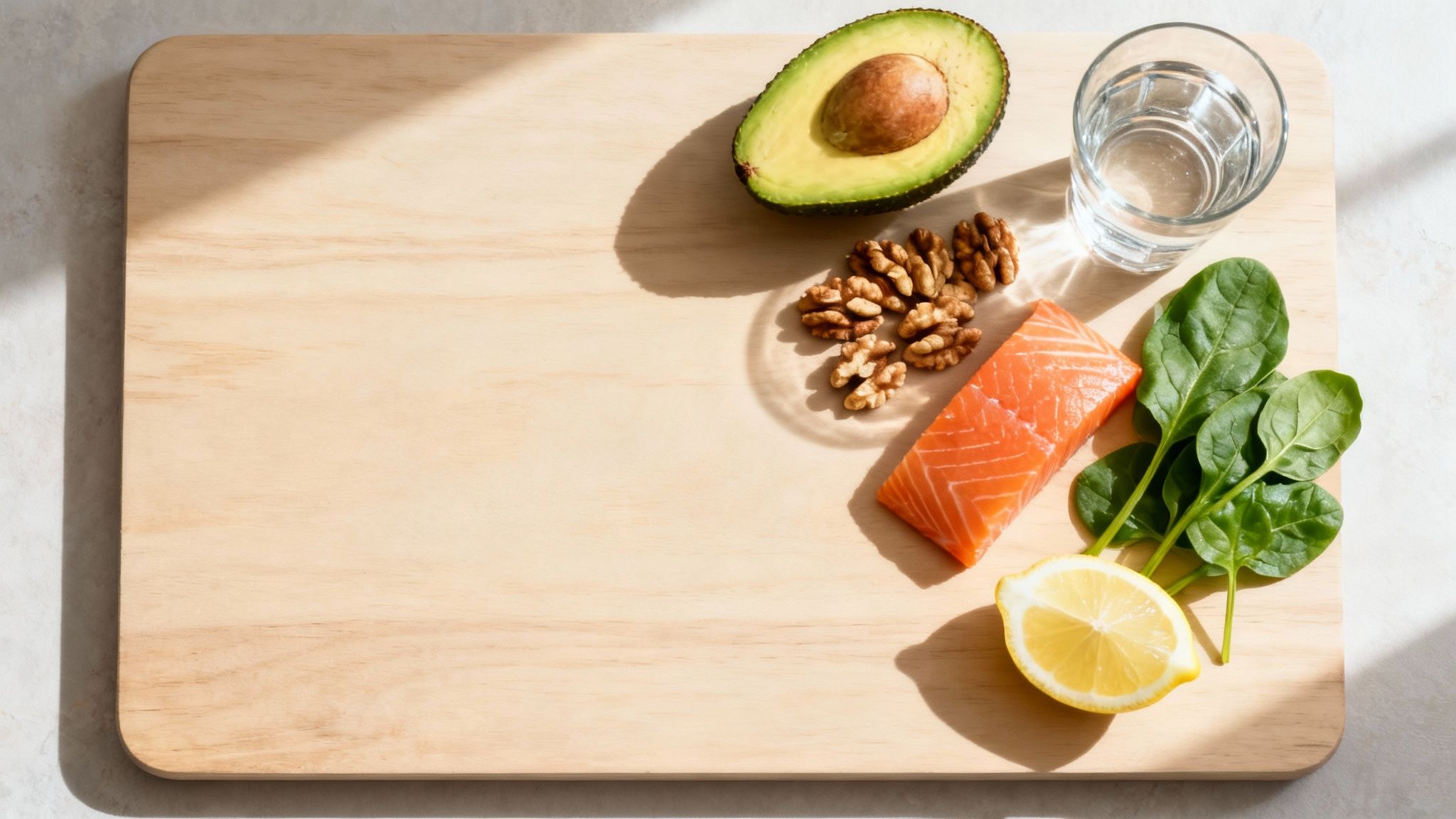
Before we even get to supplements or medical interventions, the real work starts at home. Think about it this way: an egg takes roughly 90 days to mature before it's ready for ovulation. Your body is the environment where that maturation happens, and our goal is to make it as nourishing and supportive as possible.
This isn’t about a sudden, punishing diet. It's about shifting towards an anti-inflammatory way of eating that calms cellular stress and gives your eggs the best possible chance. By prioritising whole, unprocessed foods, you’re providing the very building blocks your body needs for healthy egg development.
Adopting a Fertility-Friendly Diet
A diet that supports fertility has three main jobs: it stabilises your blood sugar, it brings down inflammation, and it floods your body with antioxidants. When these three things are working in sync, you create the ideal conditions for your eggs to thrive.
So, where do you start? The easiest first step is to dial back the things that actively work against you. This means cutting down on:
Refined Sugars and Carbohydrates: Things like white bread, pastries, sugary sodas, and packaged sweets send your blood sugar on a rollercoaster, which isn't great for hormonal balance.
Trans Fats: Commonly lurking in fried foods, commercial baked goods, and many processed snacks, these fats are known to increase inflammation.
Heavily Processed Foods: If it has a long, complicated list of ingredients, it's likely been stripped of its nutrients and packed with additives that can disrupt your system.
By simply reducing these, you make space for the foods that will actively help. If you feel overwhelmed, working with a professional through nutrition therapy can provide a personalised roadmap.
Powering Your Plate with Key Nutrients
Some foods are true superheroes when it comes to egg quality improvement. Try to paint your plate with a colourful variety of these every day.
Antioxidant-Rich FoodsThink of antioxidants as your personal security team, protecting your eggs from "oxidative stress"—a kind of cellular rust that can damage their delicate DNA. Load up on berries of all kinds, dark leafy greens like spinach and kale, and other vibrant veggies. Just a handful of blueberries in your morning yoghurt is a great start.
Healthy FatsGood fats are essential for producing hormones and keeping inflammation in check. Avocado is a fantastic source, but so are nuts like walnuts and seeds like flaxseeds, which also provide crucial omega-3 fatty acids that help improve blood flow.
Lean ProteinsProtein is fundamental for building and repairing every cell in your body, including your eggs. Focus on lean sources like fish (especially salmon), lentils, beans, and organic poultry. Legumes like beans and lentils are particularly brilliant as they also offer a great supply of iron and folate.
A simple mindset shift can make all the difference: focus on what you can add to your plate, not just what you need to take away. It turns the whole process into an act of nourishment, making it far easier to stick with.
To help you get started, here’s a quick-reference guide to the key players in a fertility-friendly diet.
Key Nutrients and Foods for Better Egg Health
Nutrient | How It Helps Your Eggs | Find It In These Foods |
|---|---|---|
Antioxidants | Protects eggs from cellular damage and oxidative stress, preserving DNA integrity. | Berries, spinach, kale, beets, dark chocolate. |
Healthy Fats | Supports hormone production and reduces inflammation in the reproductive system. | Avocado, walnuts, olive oil, chia seeds, fatty fish. |
Lean Protein | Provides the essential building blocks for healthy cell development and repair. | Lentils, beans, fish (like salmon), organic chicken, paneer. |
Folate (B9) | Crucial for preventing birth defects and supports the genetic integrity of the egg. | Lentils, leafy greens, asparagus, broccoli. |
Stocking your pantry and fridge with these foods is a powerful, proactive step you can take on your journey.
The Lifestyle Link to Egg Health
What you eat is huge, but it's only one part of the story. How you live your life day-to-day has a massive impact on your hormonal health and, by extension, your egg quality.
Prioritise Quality SleepYour body does its most important repair work while you sleep. This is when it regulates key fertility hormones, including melatonin. You should be aiming for a solid 7-8 hours of uninterrupted sleep each night. If you struggle, try creating a simple, calming bedtime routine to signal to your body that it's time to wind down.
Find Your Sweet Spot with ExerciseGentle, consistent movement is fantastic for egg quality improvement. It gets your blood flowing, delivering fresh oxygen and nutrients to your ovaries. Think brisk walking, swimming, or a relaxing yoga class.
But more isn't always better. Pushing yourself too hard with high-intensity workouts can actually backfire by raising cortisol (the stress hormone) and telling your body it's not a safe time for reproduction. The goal here is balance and consistency, not exhaustion.
Get a Handle on StressChronic stress is fertility's worst enemy. When you're constantly in "fight-or-flight" mode, your body is flooded with cortisol, which can directly interfere with ovulation and the final stages of egg maturation.
Finding a way to manage stress is non-negotiable. This doesn't have to be complicated—it could be a 10-minute meditation app in the morning, journaling before bed, or just making time for a quiet walk in nature. Find what genuinely calms you and make it a non-negotiable part of your routine. These foundational changes create the safe, stable, and healthy environment where your future can begin.
Choosing the Right Supplements for Egg Health
While a nutrient-rich diet and a healthy lifestyle are the absolute foundation for improving egg quality, sometimes you need a bit more targeted support. This is where supplements come in. Think of them not as a magic bullet, but as strategic reinforcements that fill nutritional gaps and deliver a more potent dose of specific compounds than you could get from food alone.
The world of supplements can be overwhelming, to say the least. It’s easy to get lost in a sea of bottles and claims. The key is to cut through the noise and focus on what’s actually backed by evidence, making smart choices based on how specific nutrients support the incredibly complex journey of an egg’s maturation.
Of course, it’s essential to chat with your doctor or fertility specialist before adding anything new to your routine. They can look at your specific health profile and blood work to recommend the right supplements and dosages for you, ensuring you’re taking what’s both safe and effective.
Fuelling Your Cells with Coenzyme Q10
If there’s one supplement that consistently comes up in conversations about egg quality, it’s Coenzyme Q10 (CoQ10). You can think of CoQ10 as the spark that ignites the tiny energy factories—the mitochondria—inside every cell. An egg needs a tremendous amount of energy to divide properly after fertilisation, and that energy comes from its mitochondria.
As we get older, our body's natural production of CoQ10 starts to dip. This decline in cellular energy can directly impact the health and viability of your eggs. Supplementing with CoQ10 essentially helps top up the fuel tanks, giving your mitochondria the power they need for optimal egg development. Many experts recommend the ubiquinol form, as it’s generally more easily absorbed by the body.
Balancing Hormones with Myo-Inositol
For women navigating hormonal imbalances, especially something like Polycystic Ovary Syndrome (PCOS), Myo-inositol can be a real game-changer. This compound, which is similar to a B-vitamin, plays a crucial part in your body's insulin response.
When your insulin signalling is out of sync, it can throw off the whole hormonal symphony required for regular ovulation and healthy egg development. Myo-inositol works by improving insulin sensitivity, which in turn can help bring hormones back into balance, regulate menstrual cycles, and support overall ovarian function. It’s all about creating a more stable, nurturing environment for your eggs to thrive.
The Protective Power of Antioxidants
Think of antioxidants as your eggs’ personal security team. They defend against the cellular damage, or oxidative stress, that can compromise egg health. While your diet should be brimming with colourful fruits and vegetables, certain supplements can offer a more concentrated defence.
Vitamin E: A powerful fat-soluble antioxidant that helps shield cell membranes from harm.
Vitamin C: Works in tandem with Vitamin E to neutralise damaging free radicals throughout your system.
Together, these vitamins help foster a less inflammatory, healthier environment within the ovaries. This protection is crucial for safeguarding the delicate DNA inside each developing egg, preserving its genetic integrity for a potential pregnancy.
A key thing to remember is that supplements are a long-term investment, not a quick fix. Because an egg takes around 90 days to fully mature, you’ll want to be consistent for at least three months to give them a real chance to work. This timeline aligns perfectly with the natural cycle of oocyte development.
Ayurvedic Wisdom for Reproductive Vitality
Beyond single vitamins, traditional healing systems like Ayurveda offer a more holistic and synergistic path. Formulations like JJ Herbals' Success Plus are a great example, combining several powerful herbs to support the entire reproductive system, not just one isolated part.
For instance, an ingredient like Mucuna Pruriens has long been valued for its ability to help balance hormones and reduce stress—two factors that are absolutely critical for fertility. Another cornerstone herb in Ayurvedic tradition is Shatavari, celebrated for its profound benefits for female reproductive health. You can take a deeper dive into its benefits in this guide to Shatavari for women's hormonal balance and vitality. This comprehensive approach is all about nourishing your body as a whole.
This shift towards holistic wellness is reflected in broader consumer trends in India. The egg market itself is projected to be valued at USD 7 billion in 2025, a figure that points to a growing appreciation for higher-quality, nutritionally dense foods. This creates a perfect opening for Ayurvedic brands to educate people on how internal vitality directly supports reproductive health. You can explore the data on Statista.com to learn more about this market growth.
Ultimately, finding the right supplement strategy is a personal journey. By understanding the roles of key players like CoQ10, Myo-inositol, and holistic blends like Success Plus, you can have a much more informed discussion with your healthcare provider. This will help you build a supportive regimen that truly nurtures your eggs from the inside out.
When It's Time to See a Fertility Specialist
Making lifestyle changes, focusing on your diet, and using supplements are all fantastic, empowering steps you can take to boost your egg quality. But sometimes, you need to bring in an expert. Knowing when to make that call to a fertility specialist is a crucial next step, and it’s all about saving you time and emotional energy.
Think of it this way: deciding to see a specialist isn’t admitting defeat. It's about being proactive and adding a highly skilled professional to your support team. They have access to advanced diagnostics and treatments that simply aren't available otherwise, helping to build a complete picture of your unique fertility puzzle.
Key Signs It's Time to Get Help
Figuring out the right moment to book that first appointment can feel a little confusing. While everyone's journey is different, there are some pretty clear guidelines that most experts agree on.
It's probably time to schedule a consultation if:
You're under 35 and you've been trying to conceive for a full year with no luck.
You're 35 or older and you've been trying for six months. The clock just ticks a bit faster as we get older, so the timeline is shortened.
You already know you have a condition that can affect fertility, like PCOS, endometriosis, or a thyroid disorder.
Your periods are all over the place. Irregular cycles can be a big clue that you might not be ovulating regularly.
Honestly, these are just guidelines. If you have a gut feeling that something isn’t right, trust it. It never hurts to get a professional opinion sooner rather than later.
What to Expect from the Diagnostic Process
That first visit with a fertility specialist is all about information gathering. They'll likely run a series of tests to get a really clear snapshot of your reproductive health. It’s not about looking for problems, but about collecting the data needed to create a plan that's tailored just for you.
Here are a couple of the most common initial tests:
Hormone Blood Tests You’ll usually have these done on day three of your cycle for a baseline reading. They’ll check key players like FSH (Follicle-Stimulating Hormone), which tells your ovaries to get follicles growing, and AMH (Anti-Müllerian Hormone), which gives a rough estimate of your ovarian reserve—how many eggs you have left.
Antral Follicle Count (AFC) This is a simple transvaginal ultrasound where the doctor can literally count the number of little resting follicles in your ovaries. Generally, a higher number is a good sign that you'll respond well to fertility treatments.
These tests don't tell the whole story, but they provide critical pieces of the puzzle. As you explore all your options, including holistic ones, having this data is incredibly helpful. If you’re curious about blending approaches, our guide to an Ayurvedic doctor consultation online can help you prepare for that conversation.
Medical Treatments That Can Improve Your Chances
With your test results in hand, your specialist might suggest specific medical interventions. These treatments are designed to give your body a helping hand or work around challenges that are tough to overcome naturally.
A fertility specialist does more than just treat a condition—they become your partner in decoding your body's unique language. They use advanced tools to find the root cause of fertility issues, turning a journey of uncertainty into a clear, actionable roadmap.
Options can range from hormonal medications to assisted reproductive technologies like IVF. With IVF, for example, protocols can be completely customised to help your body produce the highest number and best quality eggs possible. It can be eye-opening to see the technology involved; you can even learn about things like IVF cryogenics products to understand the incredible science that supports the process.
At the end of the day, teaming up with a fertility specialist is about gaining an ally. You get clarity, medical expertise, and a solid plan, turning what can feel like a solo mission into a supported, team effort.
Understanding the 90-Day Timeline for Improvement
Patience is tough on a fertility journey, but it’s absolutely essential. When you start making positive changes to your diet and lifestyle, you naturally want to see results right away. The key to staying motivated, however, is understanding the science behind how your eggs develop.
The journey of an egg, from a tiny follicle to a mature egg ready for ovulation, isn't a sprint. It’s a marathon that takes about 90 days. During this three-month window, your body recruits a group of follicles and nurtures them, with one eventually becoming dominant. This means the choices you make today—the food you eat, the supplements you take, how you manage stress—are directly impacting the quality of an egg that will be ready three months from now.
Why Consistency Is Non-Negotiable
This biological timeline is precisely why a consistent approach to egg quality improvement is non-negotiable. Starting a new supplement or adopting a fertility-friendly diet for just a couple of weeks simply isn’t long enough to make a real difference. You're building the entire environment for that egg's maturation.
Think of it like tending to a garden. You wouldn't expect a prize-winning rose after just one day of good soil and water; it needs consistent care over time to blossom. It's the exact same principle for your eggs.
This timeline gives you an idea of what the path often looks like when you start working with a specialist, from the first signs to diagnosis and treatment.
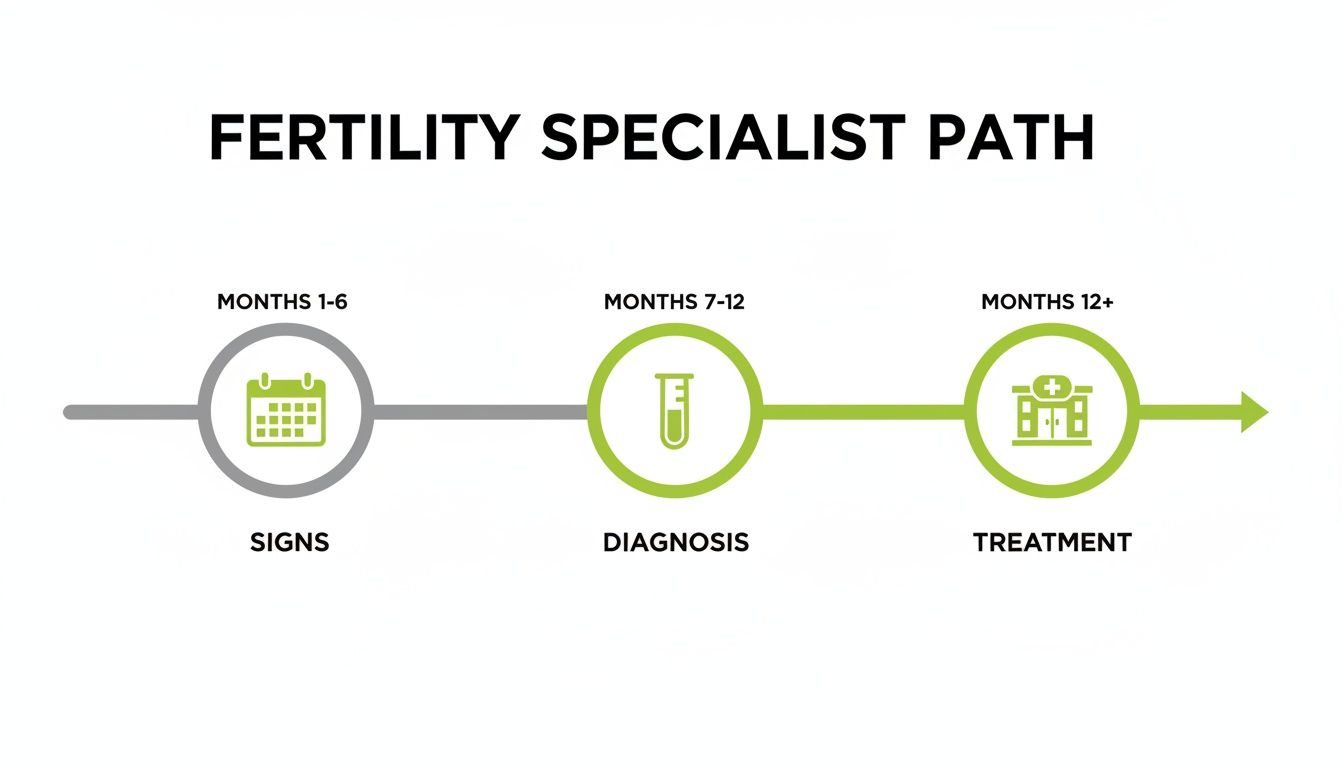
As you can see, the whole process requires a significant time commitment, which lines up perfectly with that 90-day biological window for seeing improvements.
Tracking Progress Beyond Conception
It's easy to fixate on a positive pregnancy test as the only measure of success, but that mindset can lead to a lot of heartache and burnout. Instead, learn to spot the other positive signals your body is sending you. These are the small wins that show your efforts are paying off.
Look for improvements in things like:
More regular menstrual cycles: This is often one of the very first signs that your hormones are starting to balance out.
Fewer PMS symptoms: Experiencing less cramping, bloating, or moodiness is a great indicator of a healthier hormonal rhythm.
Higher energy levels: As your body gets the nourishment it needs and inflammation goes down, you'll naturally feel more vibrant.
Better sleep: A calmer nervous system often leads to deeper, more restorative rest.
Try to see this 90-day period not as a waiting game, but as an active investment in your future. Every healthy meal, every moment of calm, is a deposit into your fertility bank, building a strong foundation for the future.
The trick is to build these habits in a way that feels sustainable. Don't try to change everything at once. This week, maybe you just add a handful of spinach to your breakfast. Next week, perhaps you swap your afternoon coffee for a cup of calming herbal tea. These small, consistent steps add up over the 90-day cycle, creating a powerful effect without feeling overwhelming. This patient, steady approach is what truly works.
A Few Common Questions About Egg Quality
As you start putting all this information into practice, it's natural for a few more questions to pop up. This is where we tackle some of the most common and practical concerns that come up on the journey to better egg quality.
Let's clear up those lingering doubts so you can move forward with confidence.
Is It Really Possible to Improve Egg Quality After 35?
Yes, absolutely. While we can’t turn back the clock on chronological age, it's far from the only thing that matters. Think of that crucial 90-day window before ovulation—this is your opportunity to directly influence the health of an egg as it matures.
By flooding your body with nutrient-rich foods, lowering oxidative stress, and balancing your hormones through smart lifestyle choices, you’re creating the best possible environment for your eggs to thrive in. It's all about optimising the potential of what you have, right now. Many women over 35 see a real difference when they adopt these focused strategies.
How Long Should We Try Naturally Before Seeing a Doctor?
This is a really important one. The general medical advice is to consult a fertility specialist if you're under 35 and have been trying for a year with no success. If you're 35 or older, that timeline shortens to six months.
That said, this is just a guideline. If you have a known health issue like PCOS or endometriosis, or if your cycles are very irregular, it makes sense to get expert advice sooner rather than later. You can start improving your lifestyle for better egg quality right away, but getting a proper diagnosis can help create a much more targeted plan.
Your journey is entirely your own. General timelines are helpful, but don't forget to trust your gut. If you feel like something isn’t quite right or you just want a clearer understanding of your reproductive health, there’s no need to wait. Seeking a consultation is a proactive step, not a sign of a problem.
If Egg Quality Is My Main Concern, Does My Partner’s Health Still Matter?
Without a doubt. Conception is a team sport; it takes both a healthy egg and healthy sperm. Even a perfect egg can’t do its job if it meets sperm with poor motility or high DNA fragmentation. These issues can prevent fertilisation from happening or, sadly, contribute to early miscarriage.
The good news is that the same lifestyle factors that damage eggs—a poor diet, smoking, chronic stress, toxin exposure—are just as harmful to sperm. The most successful approach is always one where both partners commit to improving their health together.
What Foods Should I Completely Cut Out for Better Egg Quality?
It's often more productive to focus on what to add to your diet, rather than what to remove. A mindset of nourishment over restriction is much easier to stick with long-term.
However, it is wise to seriously reduce foods that are known to cause inflammation. The main ones to watch out for are:
Trans fats, often lurking in fried takeaways and heavily processed snacks.
Refined sugars and carbohydrates, like those in fizzy drinks, sweets, and white bread.
Excessive alcohol and caffeine, as both can throw your delicate hormonal balance out of whack.
By shifting your focus to a plate filled with colourful vegetables, healthy fats from avocados and nuts, and high-quality protein, you're supporting your entire body—and giving your fertility a major boost. It’s less about a strict "don't eat" list and more about building a positive, nurturing relationship with food.
At JJ Herbals, we believe in supporting your fertility journey from the ground up with the power of nature. Our Success Plus formula, rooted in Ayurvedic wisdom, is designed to nourish your body and enhance reproductive vitality.
Discover how our farm-to-bottle approach can become a supportive part of your path to improved wellness. Learn more about our mission and products.
Comments