.png)
Infertility treatment in ayurveda: A Natural Path

Struggling with infertility can feel incredibly isolating, but Ayurveda sees this challenge not as a final diagnosis, but as a sign of a correctable imbalance. It’s a holistic approach that focuses on gently restoring your body’s natural harmony. Through personalised herbal remedies, deep detoxification, and mindful lifestyle adjustments, Ayurveda prepares the body for a healthy, natural conception, offering a hopeful and supportive path to parenthood.
Understanding Infertility Through an Ayurvedic Lens
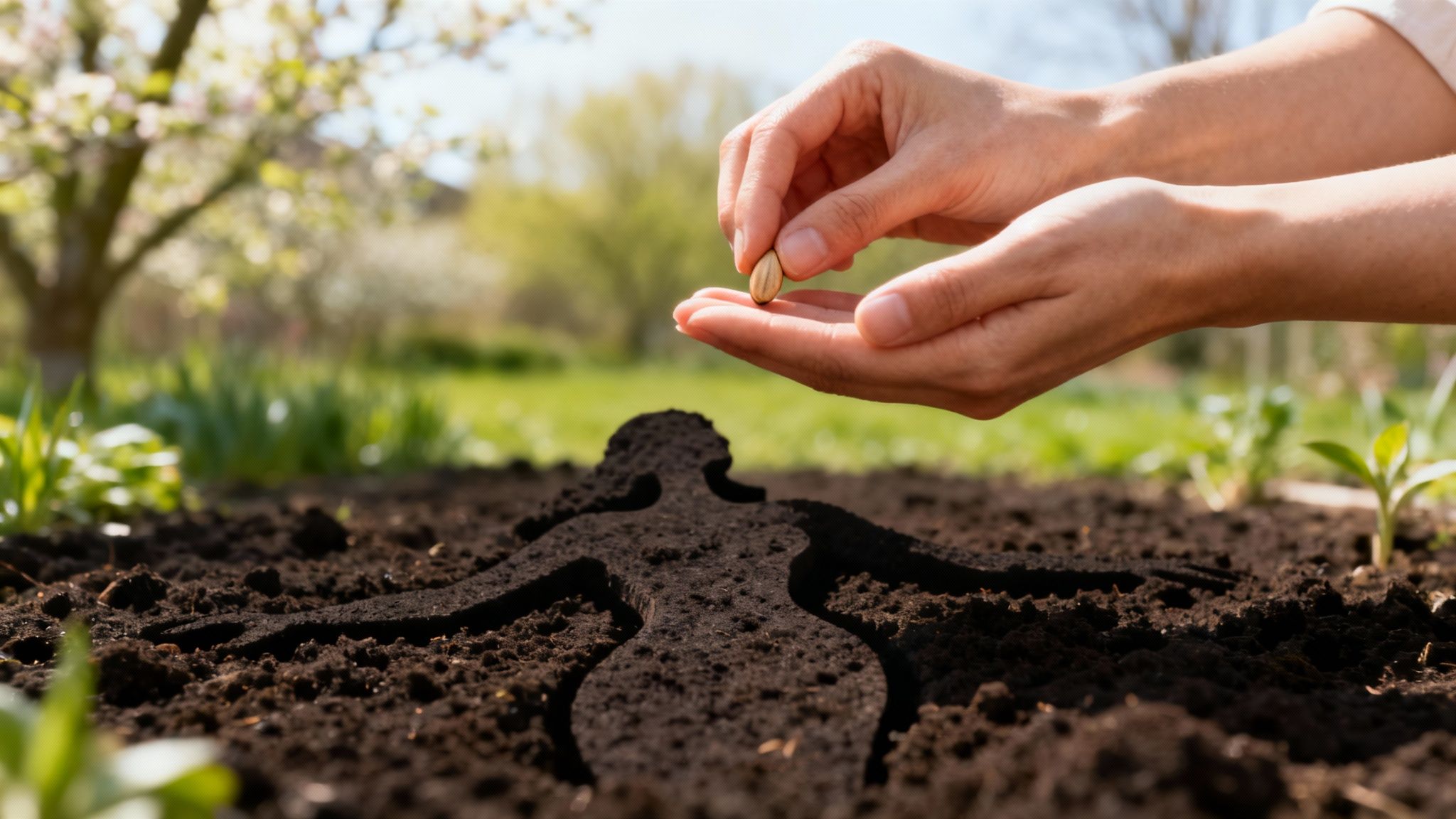
The journey to parenthood can be an emotional rollercoaster, marked by cycles of high hopes and deep disappointment. While modern medicine offers its own set of solutions, Ayurveda provides a profoundly nurturing and foundational path. It reframes infertility, known in Sanskrit as Vandhyatva, moving it away from a permanent label and toward an understanding of a temporary imbalance.
Think of your body as a garden. For a tiny seed to sprout and flourish into a strong, healthy plant, the conditions have to be just right. This beautiful analogy is at the very heart of how Ayurveda views conception.
The Four Pillars of Conception
According to ancient Ayurvedic wisdom, successful fertilisation and implantation hinge on the perfect synchronicity of four essential factors. If even one of these is out of sync, conception becomes a challenge. The entire goal of infertility treatment in ayurveda is to ensure each of these elements is in its most optimal state.
Ritu (The Right Season): This isn't just about the time of year; it’s about the perfect timing within the body—a healthy, regular menstrual cycle and timely ovulation. Trying to conceive with an imbalanced cycle is like trying to plant a seed in the dead of winter.
Kshetra (The Fertile Field): This represents the uterus. The "soil" must be healthy, well-nourished, and free from toxins (ama) to welcome and nurture an embryo.
Ambu (Proper Nourishment): This is the life-giving "water" that sustains the reproductive system. It signifies healthy blood and nutrient-rich plasma flowing freely through clear channels, providing vital nourishment.
Bija (A Healthy Seed): This refers to the quality and vitality of both the ovum (egg) and the sperm. For a healthy conception, both "seeds" must be strong and full of life.
The Role of Doshas and Dhatus
In Ayurveda, your health is a dynamic balance of three core energies, or Doshas: Vata, Pitta, and Kapha. When these energies fall out of balance, they can wreak havoc on bodily functions, including reproduction. For example, an excess of Vata (the energy of air and space) can cause dryness and irregular cycles, while an aggravated Pitta (fire) might lead to inflammation.
These imbalances directly impact the body’s seven essential tissues, or Dhatus. The final, most refined tissue in this chain is Shukra Dhatu—the reproductive tissue. A problem anywhere along the line of Dhatu formation can compromise the quality of Shukra, affecting both male and female fertility.
In Ayurveda, a healthy reproductive system is the culmination of overall bodily health. Infertility is not just an issue with the reproductive organs, but a sign that the entire system needs to be brought back into harmony.
A Journey of Restoration
Ultimately, this ancient science doesn't see you as "infertile." Instead, it sees a temporary state of imbalance preventing your body from doing what it naturally knows how to do. It treats the body with immense respect, understanding its innate ability to heal and create life once the obstacles are cleared.
This perspective shifts the focus entirely. It’s no longer just about stimulating ovulation or performing a procedure; it’s about deep, foundational healing. It's about preparing the soil, nourishing the whole system, and creating the perfect internal environment for life to take root and flourish. This empowering approach forms the bedrock of Ayurvedic infertility treatment, offering a path that nurtures your mind, body, and spirit on your journey toward parenthood.
The Ayurvedic Detective: Diagnosing the "Why" Behind Infertility
When you're struggling to conceive, modern medicine often jumps straight to blood tests and scans, looking for a single, specific culprit. Ayurveda, however, takes a step back. An Ayurvedic practitioner, or Vaidya, approaches your case more like a skilled detective, carefully piecing together clues from every corner of your life. The goal isn't just to find what's "broken," but to understand the complete story of your body and uncover the deep-seated imbalance that's preventing conception.
This isn't a one-size-fits-all approach. Two people can have the exact same symptom—say, an irregular menstrual cycle—but the reasons behind it can be wildly different. One person might be dealing with a Vata disturbance creating erratic patterns, while another is struggling with excess Pitta causing inflammation. Ayurveda's strength lies in seeing you, not just the symptom on a chart.
Going Deeper with Dashavidha Pariksha
The foundation of this diagnostic journey is the Dashavidha Pariksha, a remarkable ten-fold examination designed to build a holistic picture of your health. It's a method that looks far beyond the surface to understand the subtle energies and systemic imbalances that are truly at play.
This deep dive assesses critical factors like:
Prakriti (Your Core Constitution): This is your unique, unchanging mind-body blueprint. Are you predominantly Vata, Pitta, or Kapha? Knowing this reveals your natural strengths and what you're most susceptible to.
Vikriti (Your Current Imbalance): This is a snapshot of your doshas right now. It shows how diet, lifestyle, and your environment have nudged you away from your natural state of balance.
Sara (Tissue Quality): A close look at the health and vitality of your seven essential body tissues, the Dhatus.
Satva (Mental Strength): An assessment of your psychological resilience, because the impact of mental and emotional stress on fertility cannot be overstated.
By meticulously piecing these elements together, the practitioner can pinpoint exactly where the disharmony is. This personalised strategy is essential, especially when you consider the sheer scale of the problem.
In India, primary infertility affects a significant 8-10% of couples of reproductive age, making it a major public health issue. In response, Ayurvedic clinics across the country have documented remarkable success in managing both male and female infertility, highlighting just how powerful this deep diagnostic method can be.
The Art of Reading the Pulse: Nadi Pariksha
One of the most profound tools in the Vaidya's kit is Nadi Pariksha, or pulse diagnosis. This is so much more than just counting a heartbeat. A highly trained practitioner can feel the incredibly subtle rhythms, qualities, and movements in your pulse at the wrist, which act as a direct line of communication, revealing the state of your doshas and the health of your internal organs.
Think of your pulse as a vibrant river flowing through your body, carrying detailed information from every cell and tissue. Nadi Pariksha is the art of "reading" that river, allowing the practitioner to detect deep-seated imbalances long before they might ever show up on a standard medical test.
For example, the pulse can tell a Vaidya if digestive toxins (Ama) are clogging the reproductive channels (srotas), or if the energy flow to the uterus is weak and sluggish. This ancient, intuitive science provides a real-time map of your body's internal world.
It's this level of detailed understanding that makes the treatment so effective. A generic "fertility herb" is unlikely to help if the root cause is a blocked channel or a severe doshic imbalance. The insights from a proper Ayurvedic diagnosis ensure that your treatment plan—be it herbs, diet, or detoxification—is perfectly aligned with what your body truly needs to find its balance again.
To begin this personalised journey, you can schedule a doctor consultation to receive a detailed assessment tailored to your unique situation.
Panchakarma: The Cornerstone of Ayurvedic Fertility Cleansing
Think about trying to plant a beautiful, thriving garden in soil that’s hard, depleted, and choked with weeds. It doesn't matter how perfect your seeds are; they'll struggle to sprout, let alone flourish. The same logic applies to fertility. Before Ayurveda introduces nourishing herbs, it insists on a critical first step: preparing the "soil," known as the Kshetra (the uterus). This is precisely where Panchakarma, the profound Ayurvedic detoxification process, comes into play.
Panchakarma isn't just a simple detox; it's a complete, systemic reset for your entire body. It’s meticulously designed to gently dislodge and flush out deep-seated toxins, or Ama, which can obstruct reproductive channels, throw hormones out of whack, and create an unwelcoming environment for conception. This preparatory phase is the absolute bedrock of successful infertility treatment in ayurveda, creating a pure, receptive, and fertile ground for new life to begin.
This flowchart illustrates the foundational steps an Ayurvedic practitioner takes, starting with a pulse diagnosis to create a personalised plan that almost always includes these vital detoxification therapies.
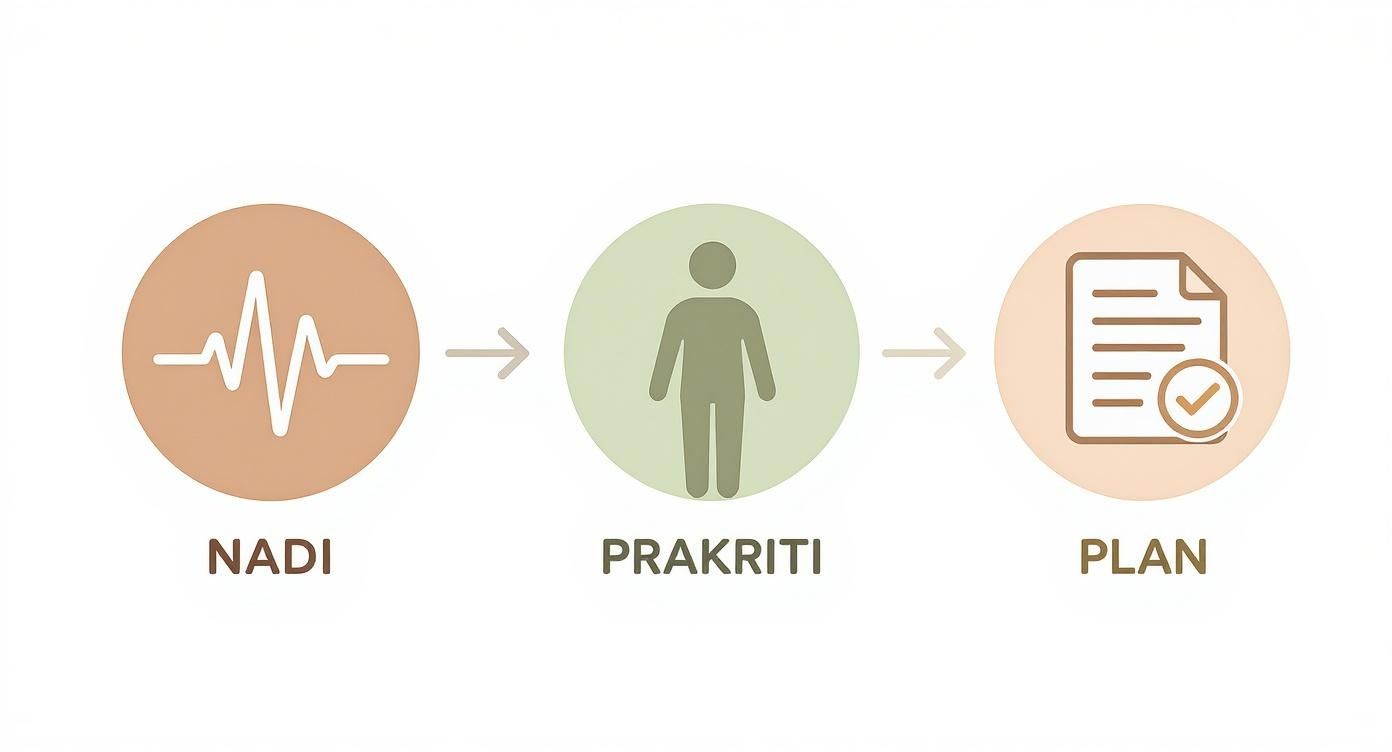
The journey from Nadi Pariksha (pulse diagnosis) to Prakriti (constitution) analysis shows how this deep cleansing is tailored to your unique body type, not just a one-size-fits-all protocol.
Key Panchakarma Therapies for Fertility
While a full Panchakarma programme involves a detailed sequence of treatments, a few core therapies are especially powerful for boosting reproductive health. The right one for you is always chosen based on your specific doshic imbalance.
Vamana (Therapeutic Emesis)
When infertility is tied to an excess of Kapha dosha—think conditions like PCOS, congestion, or mucus buildup—Vamana is often the go-to therapy. This treatment involves medically-induced vomiting to clear excess Kapha from the upper body, especially the stomach and chest. It's incredibly effective at clearing blockages and resetting the system, which can be a game-changer for restoring regular ovulation.
Virechana (Therapeutic Purgation)
This therapy is all about cleansing the body of excess Pitta dosha, the fiery energy often behind inflammation and hormonal issues. Virechana uses carefully administered purgative herbs to cleanse the gastrointestinal tract, liver, and gallbladder. By calming Pitta down, it helps regulate hormones, reduce inflammation in the reproductive organs, and improve overall metabolism, creating a much more balanced internal state.
Basti (Medicated Enemas)
Many Vaidyas consider Basti the single most important therapy for Vata imbalances, making it a true cornerstone of Ayurvedic fertility treatment. Vata, the energy of movement, governs everything in the pelvic region, from menstruation to ovulation. If you're dealing with irregular cycles, painful periods, or poor circulation, that's a classic sign of Vata disturbance. Basti involves introducing herbal oils and decoctions into the colon, where they get absorbed to nourish and pacify Vata, directly calming the nervous system and improving the function of your reproductive organs.
To help you understand these at a glance, here’s a quick summary of the main therapies.
Key Panchakarma Therapies for Infertility
Therapy Name | Primary Action | Main Dosha Targeted | Commonly Used For |
|---|---|---|---|
Vamana | Therapeutic emesis (vomiting) | Kapha | PCOS, hormonal imbalance from congestion, removing blockages |
Virechana | Therapeutic purgation | Pitta | Inflammatory conditions, hormonal regulation, liver detox |
Basti | Medicated enema | Vata | Irregular cycles, painful periods, poor circulation, ovarian dysfunction |
Uttara Basti | Uterine cleansing | All three doshas | Fallopian tube blockages, poor endometrial lining, uterine fibroids |
These therapies form the foundation of the cleansing phase, preparing the body for deeper healing.
The Power of Localised Cleansing with Uttara Basti
While the therapies above work on the whole system, Ayurveda also has a remarkably precise treatment that targets the reproductive organs directly: Uttara Basti.
Uttara Basti is a specialised procedure where medicated herbal oils or decoctions are gently administered into the uterine cavity through the vaginal route. It is a powerful method for directly cleansing, nourishing, and rejuvenating the uterus and fallopian tubes.
This unique therapy offers several direct advantages for fertility:
It helps clear subtle blockages in the fallopian tubes.
It improves the health and thickness of the endometrial lining, preparing it for implantation.
It enhances the local uterine environment, making it more receptive.
It can help address issues like uterine fibroids and endometriosis right at the source.
By delivering healing substances exactly where they are needed most, Uttara Basti powerfully prepares the Kshetra for conception.
In India, these classical Ayurvedic therapies are central to managing infertility. Treatments like Virechana, Basti, and Uttarbasti are combined with palliative treatments (Shamana Chikitsa) for a holistic approach. In particular, the rectal administration of Basti has been observed to lead to higher ovulation rates and better conception outcomes in Indian patient populations. You can explore more about these integrated Indian treatment protocols on Dr. Chanchal Sharma’s website.
Ultimately, Panchakarma is so much more than detoxification. It is a process of deep renewal that trusts and honours the body’s innate intelligence. By meticulously clearing out the old and preparing the ground, it sets the stage for the rejuvenating herbs and lifestyle changes that follow, making natural conception not just a possibility, but a profound reality.
Potent Ayurvedic Herbs and Formulations for Fertility
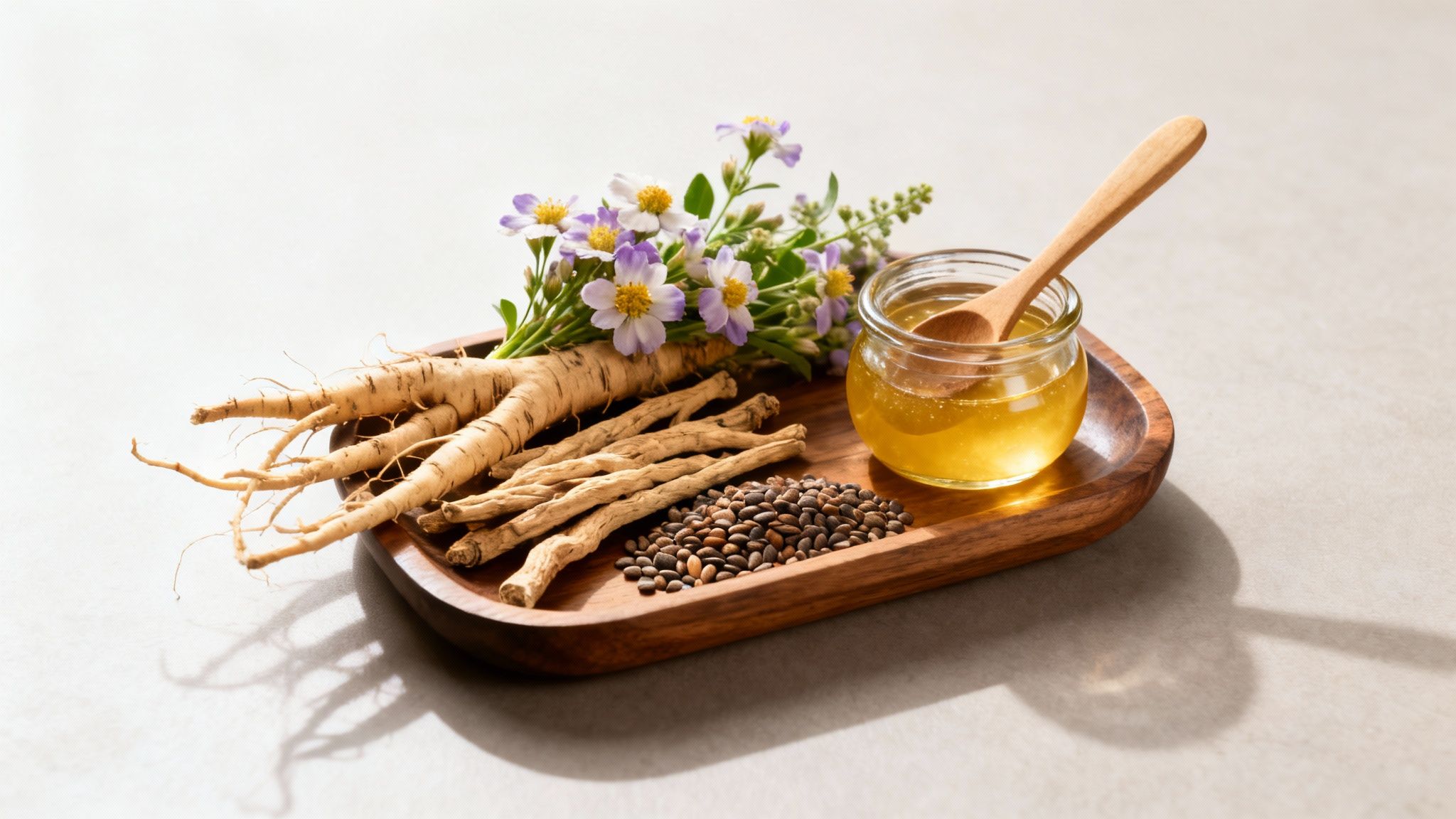
After Panchakarma has cleared the way and prepared the body, the real work of rebuilding begins. This is where infertility treatment in ayurveda shifts its focus to deep nourishment using powerful botanicals known as Rasayanas, or rejuvenators. These herbs and classical formulas are chosen to strengthen, tone, and truly revitalise the reproductive system from the inside out.
Think of it like this: Panchakarma has tilled the soil, removing weeds and rocks. Now, it's time to add the best organic fertiliser and plant nutrient-rich seeds. The goal is to build up the quality and health of the Shukra Dhatu (reproductive tissue), which is the cornerstone of a healthy conception. It’s not just about a list of herbs; it's about understanding how they work together to restore the body’s natural harmony.
Premier Herbs for Female Reproductive Health
For women, Ayurvedic herbs are all about creating balance. The focus is on regulating the menstrual cycle, supporting healthy hormones, and toning the uterus to make it a welcoming, stable home for an embryo.
Shatavari (Asparagus racemosus): Often called the "queen of herbs," Shatavari is the ultimate uterine tonic. It’s fantastic for regulating menstrual cycles, promoting healthy cervical mucus, and deeply nourishing the ovum.
Ashoka (Saraca asoca): This potent herb has a special connection to the uterus. It's traditionally used to tone the uterine muscles and manage issues like heavy or painful periods, ensuring the uterine environment is calm and strong.
Putrajivak (Putranjiva roxburghii): Its name literally means "giver of life," which speaks volumes about its traditional role in supporting conception. It is believed to fortify the uterus and endometrium, creating a better foundation for implantation.
These herbs are foundational in preparing a woman's body for a healthy pregnancy, getting right to the root of potential imbalances.
Vital Herbs for Male Reproductive Vitality
When it comes to male fertility, the game plan is clear: improve sperm quality, quantity, and motility while boosting overall stamina and vitality. These herbs provide direct nourishment to the male reproductive system.
Ashwagandha (Withania somnifera): A phenomenal adaptogen, Ashwagandha is brilliant for tackling stress—a huge roadblock in male fertility. It also helps support healthy testosterone levels and can improve key sperm parameters.
Kapikachhu (Mucuna pruriens): This is one of the most celebrated herbs for male fertility, and for good reason. Research shows it can significantly improve sperm count, motility, and morphology by naturally boosting key reproductive hormones.
Gokshura (Tribulus terrestris): Working as a natural aphrodisiac, Gokshura supports male reproductive health by encouraging testosterone production and enhancing libido.
The real magic happens when these herbs work synergistically. They don't just patch up a single symptom; they address the entire hormonal and physiological system that governs reproduction in both men and women. The aim is always complete, systemic balance. For a more detailed look, you can explore our guide on the https://www.jjherbals.com/post/top-ayurvedic-herbs-for-male-fertility-boost-your-health to understand these botanicals more deeply.
To make things clearer, let's compare some of these powerful herbs and their distinct roles in supporting both male and female fertility.
Comparing Ayurvedic Herbs for Male and Female Fertility
Herb | Primary Benefit for Female Fertility | Primary Benefit for Male Fertility |
|---|---|---|
Shatavari | Uterine tonic, regulates cycles, enhances cervical mucus. | Reduces oxidative stress that can damage sperm. |
Ashwagandha | Reduces stress, balances hormones, strengthens uterine muscles. | Boosts testosterone, improves sperm count and motility. |
Gokshura | Supports ovulation and can help manage PCOS symptoms. | Enhances libido and supports healthy testosterone levels. |
Kapikachhu | Balances hormones and supports overall reproductive tone. | Significantly improves sperm count, quality, and motility. |
This table shows how versatile these botanicals are, often offering benefits that cross over and support the reproductive health of both partners.
Classic Formulations for Comprehensive Support
While individual herbs are incredibly effective, Ayurveda’s strength often lies in its expertly crafted formulations, where the whole becomes greater than the sum of its parts. One of the most revered of these for infertility is Phala Ghrita.
This is essentially a medicated ghee (clarified butter) infused with a potent blend of fertility-boosting herbs. Ghee is an amazing carrier (anupana), driving the healing properties of the herbs deep into the body’s tissues, especially the reproductive organs. Phala Ghrita is used to nourish the entire reproductive system for both partners, strengthening the uterus and ovaries while improving the quality of sperm and ovum.
It’s not just about complex formulas, either. Even common kitchen spices can lend a helping hand, and many people are looking into turmeric's potential to boost fertility.
For male infertility, a two-pronged approach combining purification (Shodhana Chikitsa) with palliative herbal treatments (Shamana Chikitsa) has shown incredible promise. Studies have found that this method can effectively boost sperm count and motility, offering a much-needed natural alternative for men who might be hesitant about more invasive procedures.
By leaning on these time-tested botanicals, Ayurveda provides a gentle yet powerful way to rebuild your body’s reproductive capacity, paving a natural path toward conception.
The Role of Diet and Lifestyle in Ayurvedic Conception
True, lasting healing doesn't just happen in a clinic. It's woven into the fabric of your daily life. While powerful herbs and therapies are a huge part of the puzzle, Ayurveda places immense emphasis on Ahara (your diet) and Vihara (your lifestyle). These are the consistent, day-to-day practices that create a stable, nourishing internal world where conception can finally happen.
Think of your body like fertile soil. If you're constantly adding toxins and neglecting its needs, nothing will grow. The entire point of Ayurvedic dietary and lifestyle shifts is to enrich that soil, making every cell receptive to new life.
Crafting a Fertility-Enhancing Diet
In Ayurveda, how you eat is every bit as important as what you eat. The focus is on foods that build Ojas—the subtle essence of vitality and immunity that's absolutely critical for healthy reproductive tissues. This naturally means leaning into warm, nourishing, and easily digestible meals.
Cold, raw, or heavily processed foods are seen as dampening the digestive fire (Agni). When Agni is weak, it leads to the creation of toxins (Ama) that can physically and energetically block the reproductive channels.
Instead, a fertility-promoting diet is built on:
Warm, Cooked Foods: Think hearty soups, comforting stews, and well-cooked grains. These are gentle on your digestive system, which means your body can absorb the maximum amount of nutrition without working overtime.
Healthy Fats: Ghee (clarified butter), sesame oil, and avocados are non-negotiable. They lubricate the body's intricate tissues and provide the building blocks for healthy hormone production.
Sweet, Nourishing Tastes: Naturally sweet foods like dates, figs, whole grains, and root vegetables are believed to directly nourish the reproductive system.
Even a simple swap, like choosing a warm bowl of oatmeal over a cold smoothie for breakfast, can have a surprisingly big impact on your internal balance. To dive deeper into this, you can learn more about specific dietary choices in our guide on how to improve egg quality naturally for better fertility.
Living in Rhythm with Dinacharya
Ayurveda understands that our bodies thrive on rhythm. This is where Dinacharya, or a consistent daily routine, comes in. It's one of the most powerful tools we have for regulating hormones and calming a frazzled nervous system. An erratic schedule, poor sleep, and constant stress often create a Vata imbalance, which is a common culprit behind infertility.
A stable daily routine is the bedrock of hormonal balance. By aligning your sleep, meals, and activity with the natural cycles of the day, you send a powerful signal of safety and stability to your body. This allows the reproductive system to finally relax and function as it should.
Simple practices can be profoundly effective. Waking and sleeping around the same time, eating your meals in a calm, focused environment, and even a gentle self-massage with warm oil (Abhyanga) before you shower can dramatically regulate your entire system.
The Mind-Body Connection in Conception
Never underestimate the impact of stress on your fertility. Practices like Pranayama (breathing exercises) and meditation aren't just for relaxation—they are potent medical interventions that directly pacify the nervous system and help balance hormones.
Certain Yoga Asanas are also recommended to improve blood flow to the pelvic region, gently stimulating the ovaries and uterus. The idea of integrating Yoga as a complementary therapy with Ayurvedic regimens isn't just theory; it's now being formally studied. Emerging evidence even suggests this powerful combination can increase pregnancy rates among women struggling with unexplained infertility.
While this guide centres on Ayurvedic principles, it's always wise to look at the full picture. For instance, you might find this a practical guide on how to improve male fertility a helpful resource. Ultimately, these lifestyle shifts empower you to become an active participant in your own healing journey, making them absolutely integral to your success.
Clinical Evidence and Success Stories in Ayurvedic Fertility
The principles of Ayurveda might be thousands of years old, but does it actually work? This is a fair question, and thankfully, modern science is starting to catch up with what Ayurvedic practitioners have known for centuries. The real power behind infertility treatment in ayurveda isn’t just found in ancient texts; it’s seen in the real, tangible results that give couples new hope.
There's a growing wave of scientific interest in Ayurveda's approach to reproductive health, and it's providing a solid evidence base for these time-tested methods. This research helps build confidence, showing that these natural approaches can have a measurable, positive impact on fertility.
Bridging Tradition with Modern Research
Recent reviews and clinical studies, particularly from India, have really shone a light on how effective Ayurvedic treatments can be for infertility. They're documenting positive outcomes across the board. For instance, a detailed review highlighted in respected medical literature showed that Ayurvedic interventions led to real improvements in sperm quality, higher conception rates, and better overall reproductive health. You can explore these findings in more detail on the National Center for Biotechnology Information's website.
What’s so important about this research? It translates traditional wisdom into hard data, proving that herbal formulas, detox therapies, and lifestyle shifts truly work.
Success in Challenging Cases
Where Ayurveda truly shines is in helping couples with complex fertility issues—the very cases where conventional medicine might struggle or have limited options. We've seen countless documented instances where Ayurvedic protocols have led to successful pregnancies, even when the situation seemed particularly challenging.
Ayurveda’s strength lies in its ability to address the root cause of imbalance. This is why it often succeeds in complex cases like unexplained infertility or recurrent pregnancy loss, where a holistic, systemic approach is required to restore the body’s natural function.
Take tubal blockages, for example. They can be a major hurdle to getting pregnant. Therapies like Uttara Basti, however, have shown remarkable results. This treatment involves administering medicated oils directly into the uterine cavity. It's a localised approach that helps reduce inflammation and clear obstructions, often restoring the fallopian tube's function without needing invasive surgery.
These success stories aren't just anecdotes. They offer powerful, evidence-backed proof that this ancient system has a vital role to play in modern reproductive medicine, offering not just hope, but a proven path to parenthood for so many.
Your Questions, Answered
When you're exploring Ayurvedic treatment for infertility, it's natural to have a lot of practical questions. Let's walk through some of the most common ones to give you a clearer picture of the path ahead.
How Long Will Ayurvedic Treatment Take?
This is one of the first things people ask, and the honest answer is: it’s different for everyone. A typical, well-rounded treatment plan usually lasts somewhere between three to six months, but it’s not unusual for it to take a bit longer.
Think of it as a phased approach. We often start with a period of deep cleansing (Panchakarma) to prepare the body. This is followed by a rejuvenation phase where we use specific herbs and introduce important lifestyle changes. The exact timeline really hinges on the underlying cause of the infertility, your age, your general health, and how closely you can follow the dietary and lifestyle advice. Ayurveda isn't about a quick fix; it's about methodically restoring your body’s innate balance to support a healthy, lasting conception.
The goal is to create a strong, healthy foundation for pregnancy. Think of it as preparing the soil in a garden; it takes time to create the perfect environment for a seed to flourish.
Can I Combine Ayurveda with IVF?
This is a critical point, and the answer requires careful coordination. You absolutely must speak with both your Ayurvedic practitioner and your fertility specialist. Ayurveda can be a fantastic complementary therapy, helping to prepare your body for procedures like IVF by enhancing uterine health and easing stress.
However, and this is important, some powerful Ayurvedic herbs can interact with the hormonal medications used in conventional fertility treatments. A knowledgeable practitioner will create a safe plan for you. This often means completing an Ayurvedic programme before you start an IVF cycle to avoid any conflicts. Whatever you do, please don't self-prescribe herbs while undergoing any form of assisted reproductive technology (ART).
Are There Specific Foods I Can't Eat?
Yes, your diet (what we call Ahara) is a central pillar of the entire treatment. The specific recommendations will be tailored to your individual constitution (Dosha), but there are some solid general rules. We usually advise steering clear of processed foods, anything overly spicy, and cold foods and drinks.
The emphasis shifts to a diet of warm, freshly cooked, whole foods that are easy on your digestion and provide deep nourishment to your reproductive system. This means plenty of well-cooked vegetables, whole grains, and healthy fats like ghee. It’s also standard practice to cut back on or eliminate caffeine, alcohol, and refined sugar, as these can easily throw your hormones out of balance and create toxins (Ama) in the body.
At JJ Herbals, we're committed to guiding you on your path to wellness with authentic Ayurvedic wisdom. Our natural, farm-to-bottle supplements are crafted to support vitality and reproductive health. Discover our approach to holistic health at jjherbals.com.
Comments